They come from the same material, slaked lime, and they could not read more differently on a wall. Here is the honest comparison we give at the counter every week.
The look
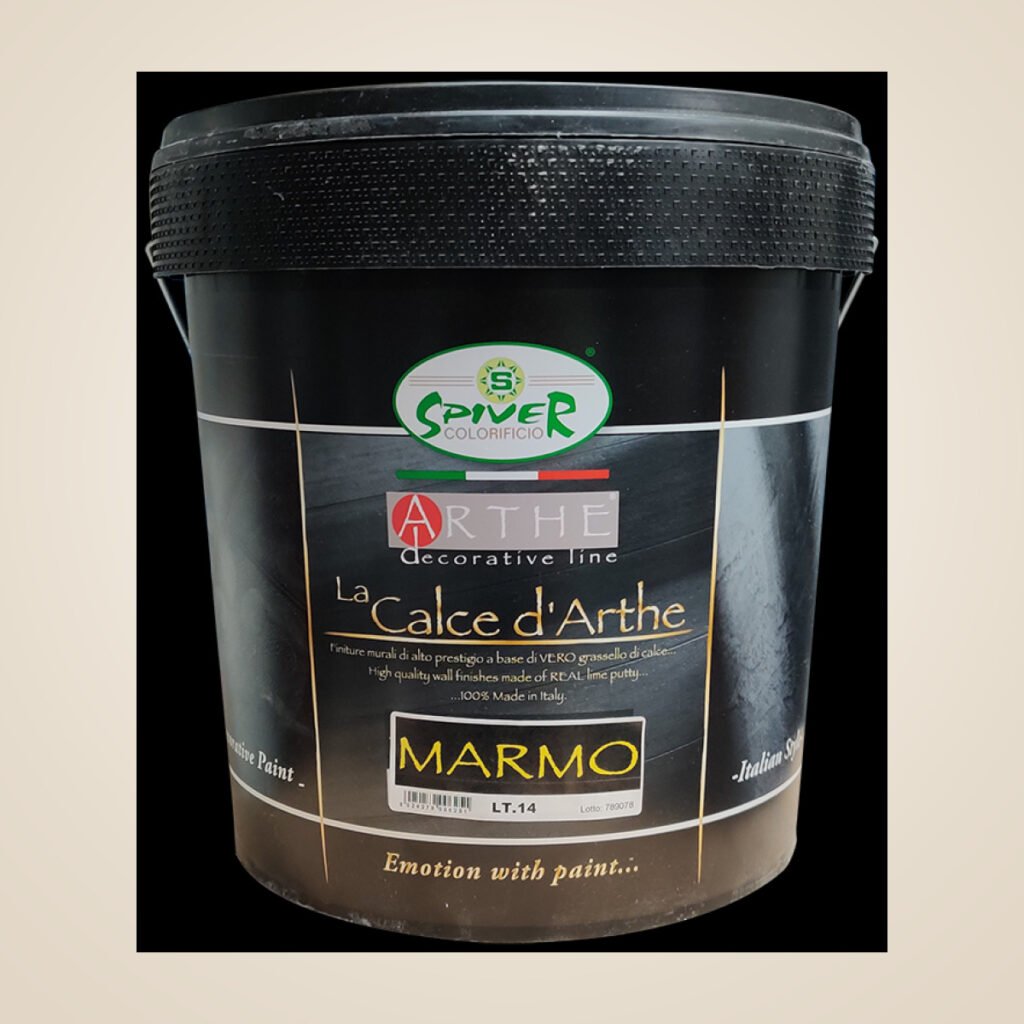
Venetian plaster is trowelled in thin coats and burnished to a polish. The result reads like cut stone: depth, movement and a sheen that shifts as you walk past. It wants to be a feature: a fireplace, an entry wall, a powder room.
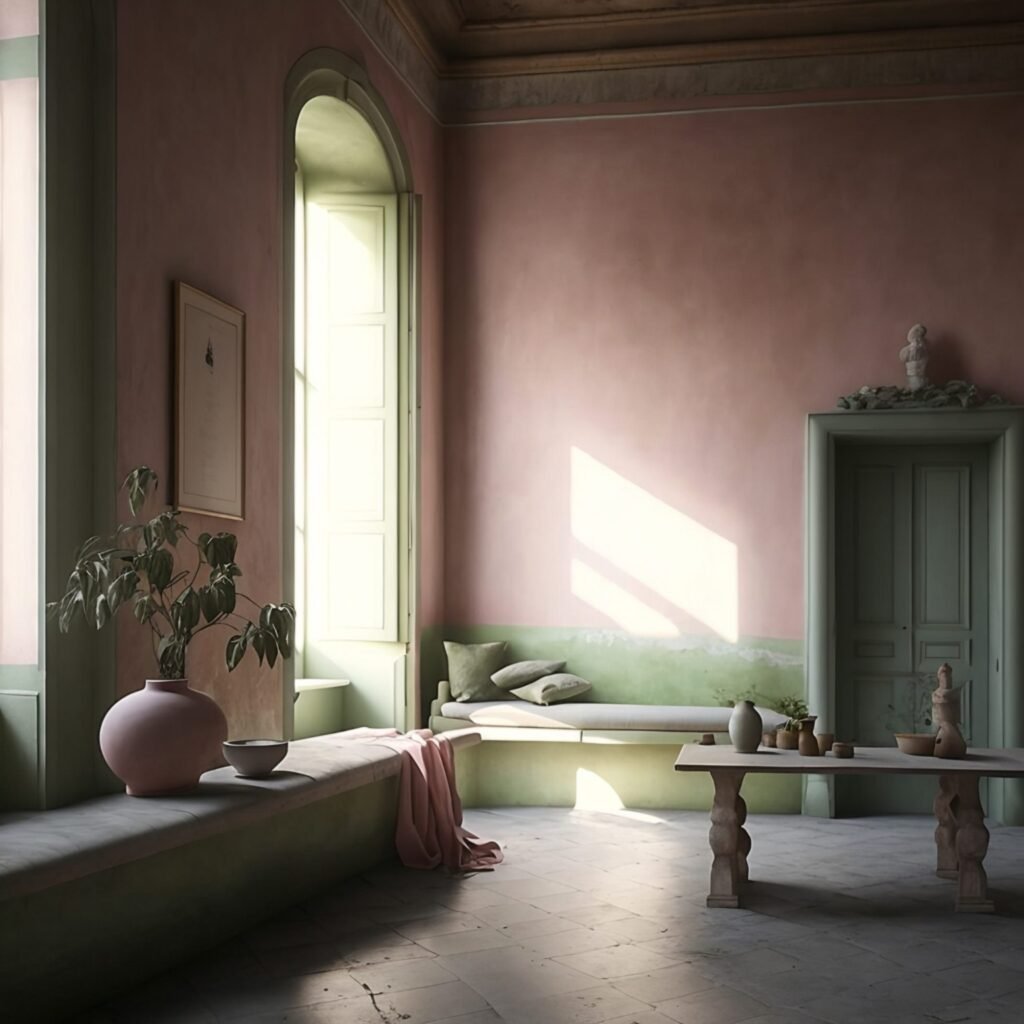
Limewash is brushed on and dries to a soft, cloudy matte. It is quieter, more atmospheric, and it flatters big surfaces: whole bedrooms, living rooms, exteriors in the right conditions.
Application difficulty
Limewash is the most forgiving finish we sell. A careful DIYer with a good brush can get a beautiful result on the first room. Venetian plaster is a skill: multiple coats, timing, trowel pressure and a final burnish. A first-timer can absolutely learn it, but practice on a board before the wall, and watch the application videos hosted on each product page.
Durability
Polished and waxed Venetian plaster is hard, wipeable and long-lived. Limewash is durable but softer, marks can usually be touched up by rewashing a section, which is part of its charm and its maintenance story. In wet rooms, both step aside for sealed systems: see the microcement route for showers.
Cost per square foot, materials only
At 2026 store pricing, limewash lands roughly between $1 and $2 per square foot in material for two coats plus primer. A full Venetian plaster system, primer, plaster and wax, typically runs $3 to $5 per square foot depending on the product and sheen. The project calculator prices your exact wall in both directions with live numbers.
The five-second answer
Want a statement surface people touch? Venetian plaster. Want a room that feels older and softer the moment it dries? Limewash. Still torn? Come see both on sample boards at the shop in Etobicoke.